
The Best Fluffy Pancakes recipe you will fall in love with. Full of tips and tricks to help you make the best pancakes.

Preparing homemade dog food can be a rewarding experience. It allows you to control the quality and ingredients in your dog’s meals.raw dog food diet recipes
homemade dog food recipes
dog food recipes
Many dog owners are turning to homemade dog food recipes for healthier options. These recipes can cater to specific dietary needs and preferences.https://s.click.aliexpress.com/e/_c3athQmZ
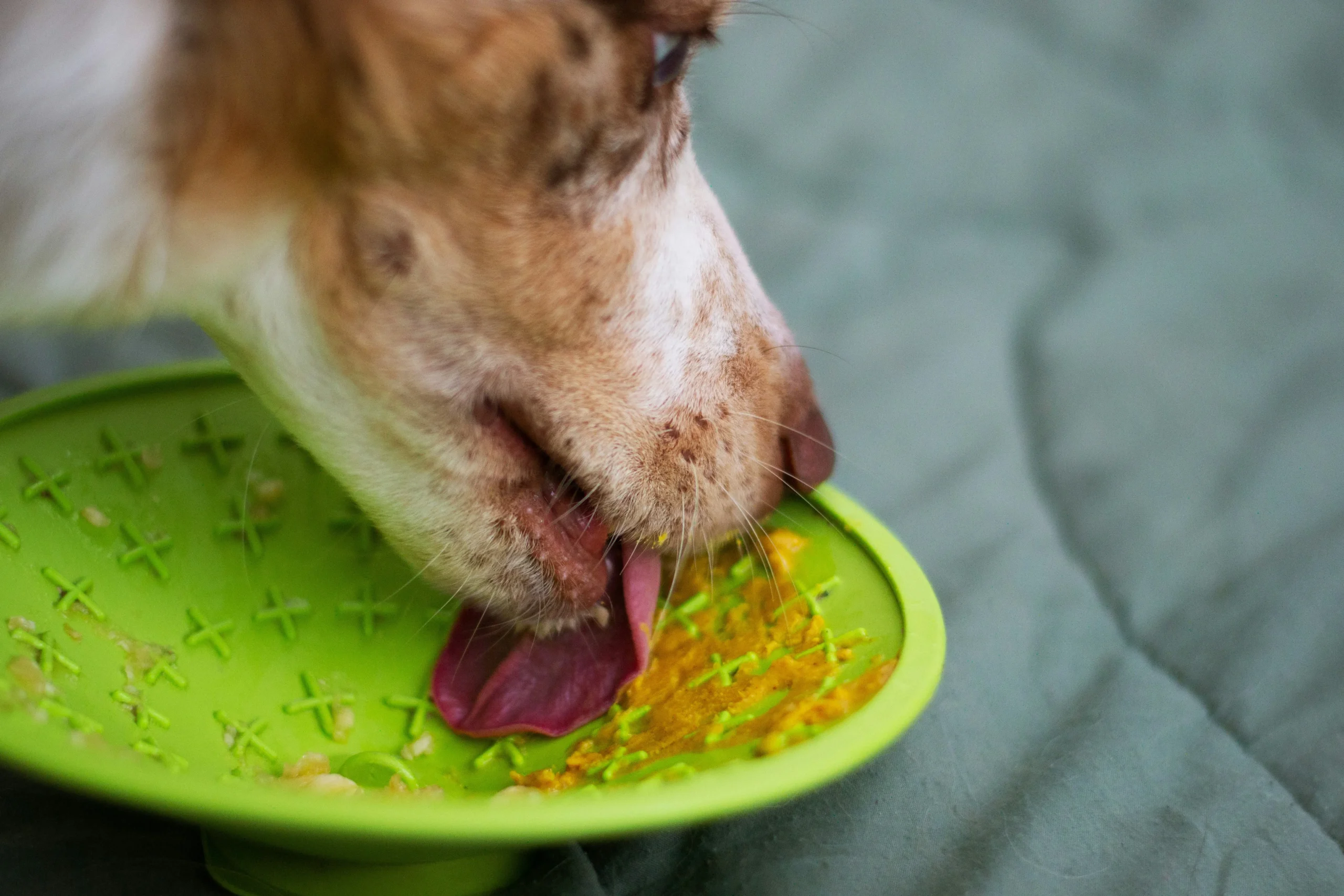
A homemade diet can improve your dog’s health and well-being. It can help with allergies, digestive issues, and even coat condition.
Before making the switch, consult with a veterinarian. They can guide you on creating a balanced diet for your pet.
With the right recipes, you can ensure your dog gets all the nutrients they need.raw dog food diet recipes
homemade dog food recipesdog food recipes
Why Choose Homemade Dog Food?
Homemade dog food recipes offer significant control over what your dog eats. You can select high-quality, fresh ingredients, avoiding fillers and additives.
A home-cooked meal allows you to address your dog’s unique health needs. Whether dealing with allergies or weight management, customizing meals can help.
There are cost benefits, too. While premium store-bought food can be expensive, homemade meals can be more economical. Plus, you can prepare them in bulk.
Consider some key benefits:
- Enhanced ingredient control
- Ability to address specific health concerns
- Potential cost savings
Homemade dog food also supports the environment by reducing packaging waste. Additionally, preparing meals enhances the bond with your pet. The effort you invest can lead to a healthier, happier dog. Always remember to consult your vet for any diet changes.raw dog food diet recipes
homemade dog food recipes
dog food recipes
Understanding Your Dog’s Nutritional Needs
Before diving into homemade dog food recipes, it’s crucial to understand what your pet requires for a balanced diet. Dogs need a mix of proteins, carbs, and fats for optimal health.
Proteins are essential, as they help build and repair tissues. Common sources include chicken, beef, and fish. Always ensure protein is at the forefront of your recipe.raw dog food diet recipes
homemade dog food recipes
dog food recipes
Carbohydrates provide energy and can come from ingredients like rice or sweet potatoes. These also contribute essential fibers to your dog’s diet.raw dog food diet recipes
homemade dog food recipes
dog food recipes

Fats, often overlooked, support both a shiny coat and a strong immune system. Sources like fish oil and flaxseed are beneficial. Make sure not to add too much fat, which can lead to weight gain.raw dog food diet recipes
homemade dog food recipes
dog food recipes
Keep in mind the essentials:
- Proteins for growth and repair
- Carbs for energy
- Fats for coat and immunity
Consulting a vet helps ensure you’re meeting your dog’s specific dietary needs. Each dog is unique, so personalization is key.
Raw Dog Food Diet: What You Need to Know

The raw dog food diet mimics what dogs might eat in the wild. It primarily consists of uncooked meat, bones, fruits, and vegetables. Many owners opt for this diet because it’s perceived as more natural and closely aligned with a dog’s ancestral eating habits.
Before making the switch to a raw diet, it’s essential to weigh both the benefits and potential risks. While raw food can enhance coat condition and energy levels, hygiene is critical to prevent contamination. Raw diets can also pose challenges with bones, which need careful monitoring to avoid choking hazards.
When preparing a raw diet, ensure it’s complete and balanced. Consider the following components:
- Lean meats such as chicken, turkey, or beef
- Organ meats for essential nutrients
- Vegetables like spinach and carrots
- Fruits like apples and blueberries
Always consult a veterinarian to confirm that a raw diet suits your dog’s specific needs and health conditions.raw dog food diet recipes
homemade dog food recipes
dog food recipes
Essential Ingredients for Homemade Dog Food
Creating homemade dog food allows you to control every ingredient your dog consumes. It’s vital to include a variety of components to ensure your dog’s diet is balanced and nutritious. Focus on combining proteins, carbohydrates, vegetables, and fruits.
Proteins are fundamental for muscle development and energy. Popular options include chicken, fish, and beef. Carbohydrates like rice and sweet potatoes are great for energy and digestion.
Vegetables and fruits supply essential vitamins and antioxidants. Consider incorporating carrots, peas, and apples into recipes. Always avoid toxic foods such as chocolate and onions.
Here’s a quick list of must-have ingredients:
- Chicken or beef
- Rice or oats
- Carrots or spinach
- Apples or blueberries
Balanced Cooked Dog Food Recipe

Cooking for your dog requires care and attention to nutrition. A balanced recipe includes all necessary components: proteins, carbohydrates, and fats. This ensures your dog’s health and happiness.
Start with a protein base such as lean chicken or turkey. It’s vital for muscle strength. Next, add carbohydrates like brown rice or quinoa. They provide much-needed energy for daily activities.
Incorporate vegetables such as carrots and peas to supply vitamins and minerals. This is essential for immune support and overall well-being. Adding a dash of healthy fats, like fish oil, ensures a shiny coat and good skin health.
For flavor and added nutrients, consider including a small amount of herbs like parsley. They aid digestion and freshen breath.
Here’s a simple recipe list to begin:
- 2 cups of diced chicken or turkey.
- 1 cup of cooked brown rice.
- 1/2 cup of carrots, chopped.
- 1/2 cup of peas.
- 1 tablespoon of fish oil.
- A pinch of parsley.
Cook the protein thoroughly, then mix with the cooked rice and vegetables. Add fish oil and parsley before serving. Always let the meal cool before feeding your dog. This recipe provides a complete and balanced meal for your furry friend.
Simple Raw Dog Food Diet Recipe
A raw dog food diet mimics what dogs naturally consume in the wild. This often includes raw meat, vegetables, and fruits. Such a diet can boost energy and overall health.
Begin with a variety of proteins such as beef, chicken, or fish. Diversity in protein sources ensures a broad nutrient intake. Next, add raw meaty bones to the mix. These are crucial for calcium and dental health.

Complement the proteins with pureed vegetables. Include options like spinach and broccoli. They offer essential vitamins and minerals that support various bodily functions. Finally, fruits like blueberries can be a sweet addition. They’re rich in antioxidants which support immune health.
For a balanced raw meal, consider the following ingredients:
- 1 pound of raw beef or chicken.
- 1/2 cup of pureed spinach and broccoli.
- 1 raw, meaty bone.
- A handful of blueberries.
- 1 tablespoon of omega-3 fish oil.
Mix the raw ingredients thoroughly. This ensures even distribution of nutrients in every bite. Store servings in an airtight container in the refrigerator or freezer. Always practice safe handling to avoid contamination. This recipe provides a nutritious and natural meal for your canine companion.
Homemade Dog Food for Special Diets (Allergies, Seniors, Puppies)
Special diets cater to unique needs such as allergies, age, or puppy growth. Tailoring recipes can boost health and comfort. For dogs with allergies, limited-ingredient diets often help. Simple proteins like turkey or duck can prevent reactions. Coupled with gluten-free grains, these can alleviate sensitivity.
Older dogs may benefit from a diet rich in joint-supporting nutrients. Foods high in omega-3 fatty acids, such as flaxseeds and fish, promote joint health. Including easily digestible carbohydrates like sweet potatoes supports energy levels.
Puppies require a diet supporting growth, focusing on protein and calcium. Incorporate high-protein meats and appropriate amounts of calcium for bone development. Ensure variety to prevent nutrient deficiencies and support growth.
Consider these ingredients for tailored diets:
- Lean meats (like turkey or duck) for allergies
- Omega-rich fish for senior dogs
- Calcium-rich foods (e.g., yogurt) for puppies
Adjusting homemade dog food to specific needs can enhance well-being and longevity. Always consult with a vet to tailor the best diet for your furry friend.

Tips for Safe Preparation and Storage
Ensuring safety in homemade dog food starts in the kitchen. Thorough hygiene prevents contamination and keeps your pet healthy. Always wash your hands, utensils, and surfaces before and after preparing meals.
Proper storage is crucial to maintain food quality. Use airtight containers to prevent spoilage and retain freshness. Refrigerate cooked meals promptly and label them with dates to track freshness.
Consider freezing portions for longer storage. Defrost them safely in the refrigerator, not at room temperature. This practice prevents bacterial growth. Follow these key tips for safe handling and storage:
- Wash hands and utensils thoroughly
- Use airtight containers
- Refrigerate promptly and date containers
- Freeze extra portions and thaw safely
Prioritizing preparation and storage safety enhances homemade dog food’s benefits. These steps ensure each meal is as fresh and nutritious as intended.
Transitioning Your Dog to Homemade Food
Switching your dog to homemade food should be a gradual process. Sudden dietary changes can upset your dog’s digestive system. Introduce homemade meals slowly, mixing them with your dog’s current diet.
Start by replacing a small portion of your dog’s usual food with the homemade option. Gradually increase the homemade food over a week or more. This allows your pet to adjust without discomfort.
Monitor your dog’s reaction closely. Look for signs of satisfaction and digestion issues. Consider these steps during the transition period:
- Replace 25% of regular food with homemade
- Increase the homemade portion every few days
- Watch for digestive or behavioral changes
Patience ensures a smooth transition and your dog’s well-being. A gradual switch helps your dog adjust to new flavors and textures while maintaining good health.
Frequently Asked Questions About Homemade Dog Food
Curious about homemade dog food? Many pet owners have similar questions. Here’s a quick guide to address common concerns.
Is homemade dog food more expensive? It depends on the ingredients. Some owners find it more affordable, especially when buying in bulk or using seasonal produce.
Do dogs need supplements? While many homemade diets are nutritious, supplements ensure your dog gets all necessary nutrients. Always consult your vet before adding them.
Here are common questions from dog owners:
- Is homemade food safe for all breeds?
- How often should I prepare fresh meals?
- What if my dog dislikes certain ingredients?
Answers to these questions guide you to making informed decisions. Homemade meals can be a rewarding endeavor with proper knowledge and preparation.
Conclusion: Healthier, Happier Dogs with Homemade Meals
Embracing homemade dog food recipes can transform your pet’s health. Custom meals cater to specific dietary needs, enhancing well-being and vitality.
With informed choices, your dog relishes tasty, balanced meals. This effort strengthens the bond between you and your pet, promoting happiness and longevity. Ultimately, the benefits of homemade food surpass expectations, leading to a thriving and satisfied canine companion.