
The Best Fluffy Pancakes recipe you will fall in love with. Full of tips and tricks to help you make the best pancakes.

Creating homemade cat food is a rewarding endeavor. It allows you to control what your cat eats. You can ensure a natural and healthy diet.
Cats are obligate carnivores. They need a diet rich in animal protein. Homemade cat food can meet these needs.
Many cat owners worry about commercial cat food. They are concerned about preservatives and artificial additives. Homemade options can alleviate these concerns.
Preparing cat food at home can be cost-effective. It often costs less than premium commercial brands. Plus, it can be tailored to your cat’s taste.
Transitioning to homemade cat food requires care. It’s important to ensure nutritional balance. Consulting a vet is a wise step.
Homemade cat food can improve your cat’s health. It can enhance coat condition and energy levels. It may also reduce health issues.
This guide will provide easy recipes. You’ll find tips for preparing nutritious meals. Let’s explore the world of homemade cat food.
Why Choose Homemade Cat Food?
Choosing homemade cat food allows you to manage what your feline consumes. You decide the quality and quantity of ingredients. This option minimizes exposure to harmful additives.
Commercial cat foods often contain fillers. These are low-quality ingredients that add volume but not nutrition. By choosing homemade, you can select high-protein, natural cat food instead.
Crafting meals at home can address specific dietary needs. Some cats have allergies or sensitivities. Homemade recipes can cater to these unique requirements.
- Control the quality of ingredients
- Avoid harmful additives and preservatives
- Cater to dietary sensitivities
- Tailor meals to your cat’s preferences
Additionally, homemade cat food may improve your pet’s life quality. With a balanced diet, your cat might display more energy. Changes in coat and overall health can be positive indicators.
For many, making food at home strengthens the pet-owner bond. It’s a fun, meaningful way to show love and care. Trying out homemade meals might be the best decision for your furry friend.
Understanding Feline Nutrition: What Cats Really Need
Cats are obligate carnivores, which means they thrive on animal protein. Their bodies are designed to extract nutrients primarily from meat. Thus, any natural cat food recipe should have a high protein focus.
Essential nutrients like taurine, arachidonic acid, and vitamin A play vital roles. Taurine supports heart health and vision. These nutrients, predominantly found in animal tissues, are crucial for their well-being.
- High-quality protein
- Essential amino acids (e.g., taurine)
- Vitamins (A, B, D, E)
- Minerals (calcium, phosphorus)
- Healthy fats
Cats also require specific fatty acids. These help maintain a shiny coat and healthy skin. Essential fatty acids aren’t easily synthesized by their bodies, so including them in homemade cat food is important.
Carbohydrates are not a necessary part of a cat’s diet. Unlike humans, cats get their energy from protein and fats. Thus, limiting carbs can align more closely with their natural dietary needs.
Essential Ingredients for Natural Cat Food
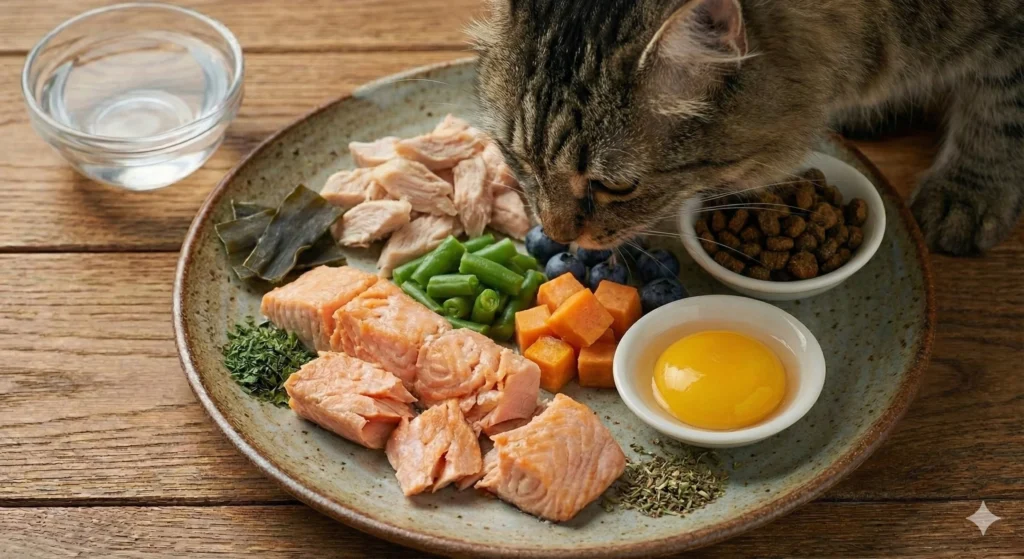
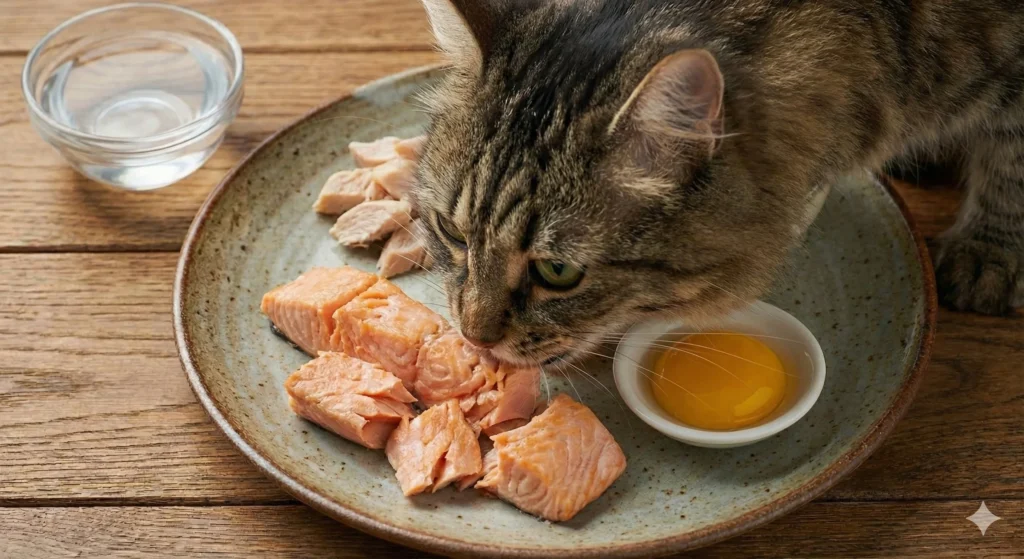
Creating natural cat food starts with selecting the right ingredients. Fresh, high-quality ingredients ensure your cat gets the best nutrition possible. Organ meats, like liver and kidneys, provide essential vitamins and minerals important for your cat’s health.
Muscle meat, such as chicken, turkey, or rabbit, forms the base of many recipes. These proteins are rich in the amino acids necessary for maintaining muscle mass and overall health. Including a variety of meat sources helps prevent dietary imbalances and keeps your cat interested in its meals.
Including small amounts of vegetables can add beneficial fiber to a cat’s diet. These aren’t crucial, but they can support digestion and provide extra vitamins. Fish oil or flaxseed oil can offer the needed fatty acids that support a shiny coat and support healthy skin.
- Chicken and turkey
- Organ meats
- Fish oil
- Rabbit
- Flaxseed oil
Ensuring your homemade cat food contains these elements will provide a balanced and nourishing diet tailored to feline nutritional needs.
Ingredients to Avoid in Homemade Cat Food
When preparing homemade cat food, it’s essential to avoid certain ingredients. Some common foods can be toxic to cats and should never be included in their meals. Ensuring your recipes are free from these harmful items will keep your pet safe.
Garlic and onions, even in small amounts, can cause serious health issues. Also, avoid feeding your cat chocolate or grapes, as both can be toxic. Surprisingly, dairy products are not recommended since many cats are lactose intolerant.
- Onions and garlic
- Chocolate
- Grapes
- Dairy products
Preparing Homemade Cat Food: Safety and Storage Tips
Ensuring safety when preparing homemade cat food is crucial. Always start by cleaning the preparation area to prevent contamination. Use fresh, high-quality ingredients to maintain the nutritional value of the food.
Proper storage extends the life of homemade cat food. Store meals in airtight containers and refrigerate promptly. This prevents spoilage and preserves flavor, making each meal as appealing as possible.
Freezing portions can be a helpful strategy for long-term storage. Consider labeling containers with preparation dates to keep track of freshness. A little organization goes a long way in ensuring your cat receives the best meals consistently.
- Clean preparation surfaces
- Use fresh ingredients
- Store in airtight containers
- Label and date stored food
Easy Cooked Cat Food Recipes
Creating cooked cat food at home is simple and rewarding. Start with basic ingredients like chicken and turkey. These are nutritious and flavorful, providing a solid protein base.
A delicious Chicken and Rice dish is a favorite among many cats. Cook one pound of chicken breast until fully done. Mix it with half a cup of boiled white rice. This combination is easy to digest and provides energy.
For a fish-loving feline, a Tuna and Sweet Potato recipe works well. Boil and mash one sweet potato. Mix it with a can of tuna in water, drained well. Sweet potatoes offer fiber and vitamins, complementing the tuna’s protein.
- One pound chicken breast
- Half a cup white rice
- One sweet potato
- Can of tuna in water
Prepare these recipes by steaming or boiling the ingredients. This retains the nutrients while ensuring the food is safe for your pet. Always let the dish cool before serving to avoid burns.
The variety in flavors helps maintain interest and excitement in mealtime. Rotating these recipes provides nutritional diversity. Experiment with different proteins like turkey or lamb for variation.
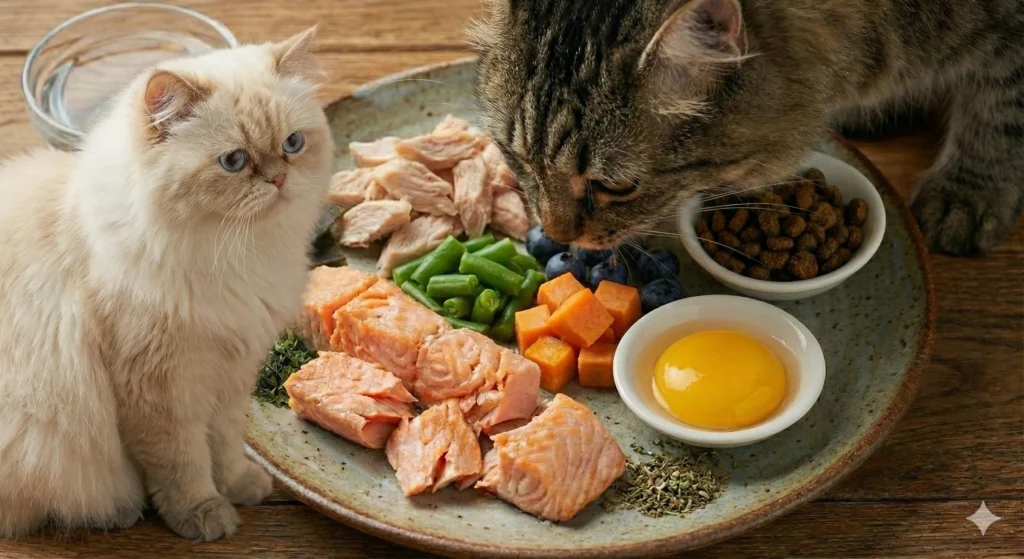
Creating homemade cat food provides peace of mind. You control exactly what goes into your pet’s meal. With fresh, natural ingredients, your cat enjoys flavorful and healthy eating.
Cooking in bulk saves time. Make multiple servings at once, freezing portions for future use. This convenience ensures you have meals ready, minimizing daily preparation stress.
Simple Raw Cat Food Recipes
Raw cat food recipes are easy to make and packed with nutrients. They preserve the natural enzymes and nutrients found in raw ingredients. Ensure to source high-quality meats to reduce the risk of pathogens.
An easy recipe includes raw chicken thighs, a staple choice due to their rich protein content. Chop two thighs into cat-sized bites and combine with one raw egg yolk. The yolk is a rich source of essential nutrients like vitamins D and E.
For a seafood variation, try a Sardine and Pumpkin mix. Use two fresh sardines, cleaned and deboned. Blend them with a quarter cup of mashed pumpkin. This provides fiber and essential omega-3 fatty acids.
- Two chicken thighs
- One egg yolk
- Two sardines
- Quarter cup pumpkin
The key to raw feeding is ensuring balance. Mix protein sources with suitable extras like organ meats and small amounts of vegetables. Experiment with ground beef or turkey for variety, ensuring you match the cat’s preferences.
Feeding raw requires careful preparation. Use only fresh ingredients and practice safe handling. Like cooked dishes, raw meals can be prepared in batches and stored for convenience, but refrigeration is crucial to keep food fresh.
Supplements and Additions: Ensuring Complete Nutrition
Even the best homemade cat food might lack certain key nutrients. Supplements are essential to bridge these nutritional gaps. Adding a taurine supplement is crucial, as cats cannot produce this amino acid themselves.
Consider including omega-3 fatty acids for a healthy coat. Bone meal or calcium supplements support bone health and development. Multivitamins can also ensure a full spectrum of vitamins and minerals.
- Taurine supplement
- Omega-3 fatty acids
- Bone meal or calcium
- Multivitamins
Careful balance is key when adding supplements to your cat’s diet. Over-supplementing can be harmful. It’s best to consult with a veterinarian to tailor a diet plan that suits your cat’s specific needs.
Transitioning Your Cat to Homemade Food
Switching your cat to a homemade diet should be a gradual process. A sudden change can lead to digestive issues. Begin by mixing a small amount of homemade food with your cat’s current diet.
Increase the portion of homemade food slowly over a week or two. Observe your cat’s reactions closely during this period. Monitor for any signs of allergies or digestive discomfort.
- Gradually mix homemade with current food
- Increase homemade portion slowly
- Observe for allergies or digestive issues
Each cat is unique, and transitions may vary. Patience and attentiveness are key to a smooth diet transition.
Portion Control and Feeding Guidelines
Proper portion control is crucial when feeding homemade cat food. Overfeeding can lead to obesity, while underfeeding can result in malnutrition. Consider your cat’s age, activity level, and health needs when determining serving sizes.
A good starting point is to feed about 2-3% of your cat’s body weight daily. Divide this amount into two or more meals. Regularly adjust portions based on your cat’s weight and health.
- Monitor your cat’s weight consistently
- Adjust portions as needed
- Split daily intake into multiple meals
Keep track of your cat’s weight and adjust portions accordingly. Consulting with a vet can ensure dietary needs are met.
Homemade Cat Treats: Quick and Healthy Ideas
Treats are a fun way to reward your cat and can be part of a healthy diet. Homemade cat treats offer control over ingredients and can be tailored to your cat’s preferences.
Simple recipes often use common ingredients like chicken, tuna, or pumpkin. These treats can provide nutritional benefits alongside commercial options.
- Oven-baked tuna bites with whole wheat flour
- Chicken and catnip crunchy treats
- Pumpkin and turkey balls for a fiber boost
Homemade treats also strengthen the bond between you and your pet. Always store them properly to maintain freshness and flavor.
Frequently Asked Questions About Homemade Cat Food
Switching to homemade cat food can raise many questions. Ensuring your cat’s diet is balanced is a top concern. Consulting a vet helps tailor recipes to specific needs.
A common question is about raw versus cooked food. Each has benefits and risks. Raw foods can be closer to natural diets, but require cautious handling to prevent bacteria.
People often wonder about portion control. Monitoring your cat’s weight helps decide if portion sizes are right. Adjust as needed for activity level and health.
- Is homemade food safe? Yes, with proper preparation
- Do I need supplements? Often yes, to meet nutritional needs
- How do I store homemade food? Refrigerate promptly in sealed containers
Switching foods too fast is a common mistake. A gradual change helps prevent digestive issues. Patience is key to a smooth transition.
Final Tips for Success with Homemade Cat Food
Success with homemade cat food hinges on consistency and care. Regular vet check-ups ensure your cat remains healthy on its new diet. Vets help adjust recipes based on your cat’s changing needs.
Keeping your kitchen clean is crucial for safe preparation. Always sanitize surfaces before and after making cat food. Fresh, high-quality ingredients are non-negotiable.
Here are a few final tips for preparing homemade cat food:
- Rotate protein sources to provide variety
- Monitor your cat’s weight and adjust portions accordingly
- Use trusted recipes to avoid nutrient gaps
With attention and dedication, you can improve your cat’s health with homemade meals.
Conclusion: The Benefits of Natural, Homemade Cat Food
Feeding your cat homemade meals has many benefits. It allows you to control every ingredient in your cat’s diet. This ensures that your cat gets only the healthiest and most natural foods.
Switching to homemade food can lead to noticeable improvements in your cat’s well-being. From enhanced energy levels to a shinier coat, the advantages are numerous. Embracing homemade cat food is a rewarding journey that strengthens the bond with your feline friend.